AI-Engineering

Learn. Build. Share. Together.

Education-First Systems

About
Our Mission

Building a globally inclusive ecosystem for AI Engineering education, with a focus on systems thinking and deep technical rigor.

Our Vision

The Mission for
AI Engineering

EngineeringdependableAIsystemsend-to-end—fromdatatodeployment—withsystemsthinking,safety,andrigorateverylayer.
Weareanon-profit,foundedin2025bypractitionersandacademics,todemocratizeAIforunderrepresentedcommunitiesworldwide.
SupportedbyHarvardcollaborators,EdgeAIFoundationpartners,andglobaleducatorswhoshareaninclusion-firstmandate.
Open,systems-focusedcurricula,labs,andcommunityprogramsthattranslatefrontierresearchintoaccessible,hands-onpractice.
Global Network

Our Team

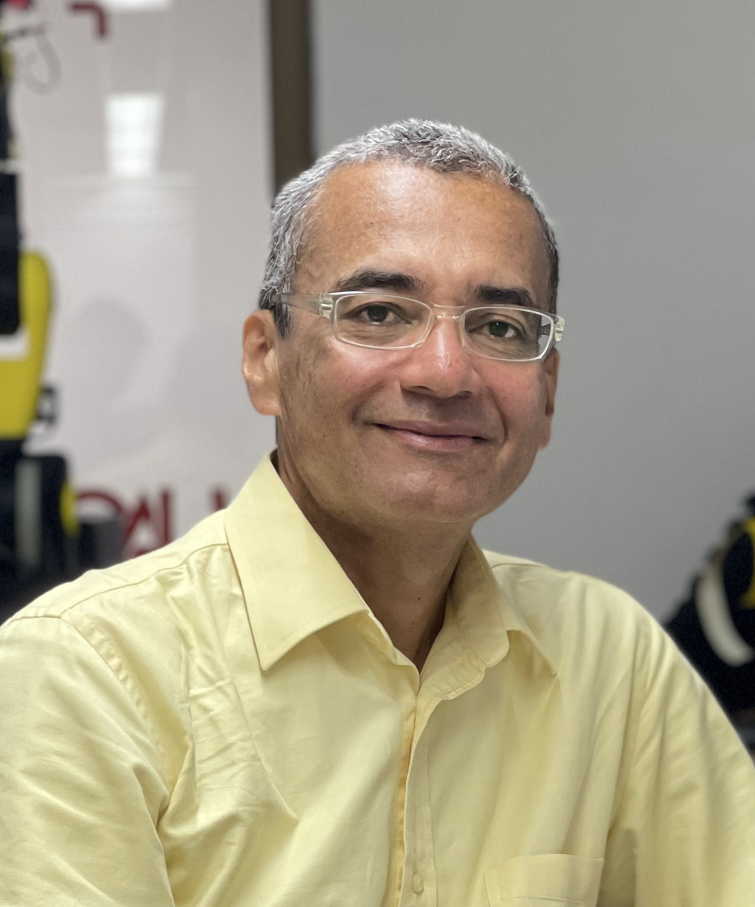
Marco Zennaro

Marco Zennaro

Research Scientist

Italy

Marco Zennaro received the M.Sc. degree in electronic engineering from the University of Trieste, Italy, and the Ph.D. degree from the KTH-Royal Institute of Technology, Stockholm, Sweden. He is currently a Research Scientist with the Abdus Salam International Centre for Theoretical Physics, Trieste, Italy, where he coordinates the Science, Technology and Innovation Unit. He is a Visiting Professor with KIC-Kobe Institute of Computing, Japan. His research interests include ICT4D, the use of ICT for development, and in particular he investigates the use of the TinyML in developing countries. He has given lectures on IoT, TinyML and wireless technologies in more than 30 countries.

Marco Zennaro

Research Scientist

Italy

Jesus Alfonso Lopez

Jesus Alfonso Lopez

Full Professor - Engineering and Basic Sciences Faculty. Director – Master in Artificial Intelligence and Data Sciences

Columba

Born in Cali, Colombia, he is an Electrical Engineer with a master’s degree in Automation and a PhD in Engineering. He has over 25 years of experience in teaching and developing projects related to Artificial Intelligence. His areas of interest include artificial neural networks and deep learning, edge AI, AI education, and the potential impact of this technology on society. He is a Senior Researcher in the Colombian National Science, Technology, and Innovation System of the Ministry of Science, Technology, and Innovation (MinCiencias). He is a Senior Professional Member of the IEEE, where he belongs to the Colombian chapter of the Society for Computational Intelligence. He has published numerous articles, book chapters, and books on Artificial Neural Networks, Deep Learning, and other artificial intelligence techniques. He is currently affiliated with the Universidad Autonoma de Occidente in Cali, Colombia.

Jesus Alfonso Lopez

Full Professor - Engineering and Basic Sciences Faculty. Director – Master in Artificial Intelligence and Data Sciences

Columba

Brian Plancher

Brian Plancher

Assistant Professor of Computer Science

USA
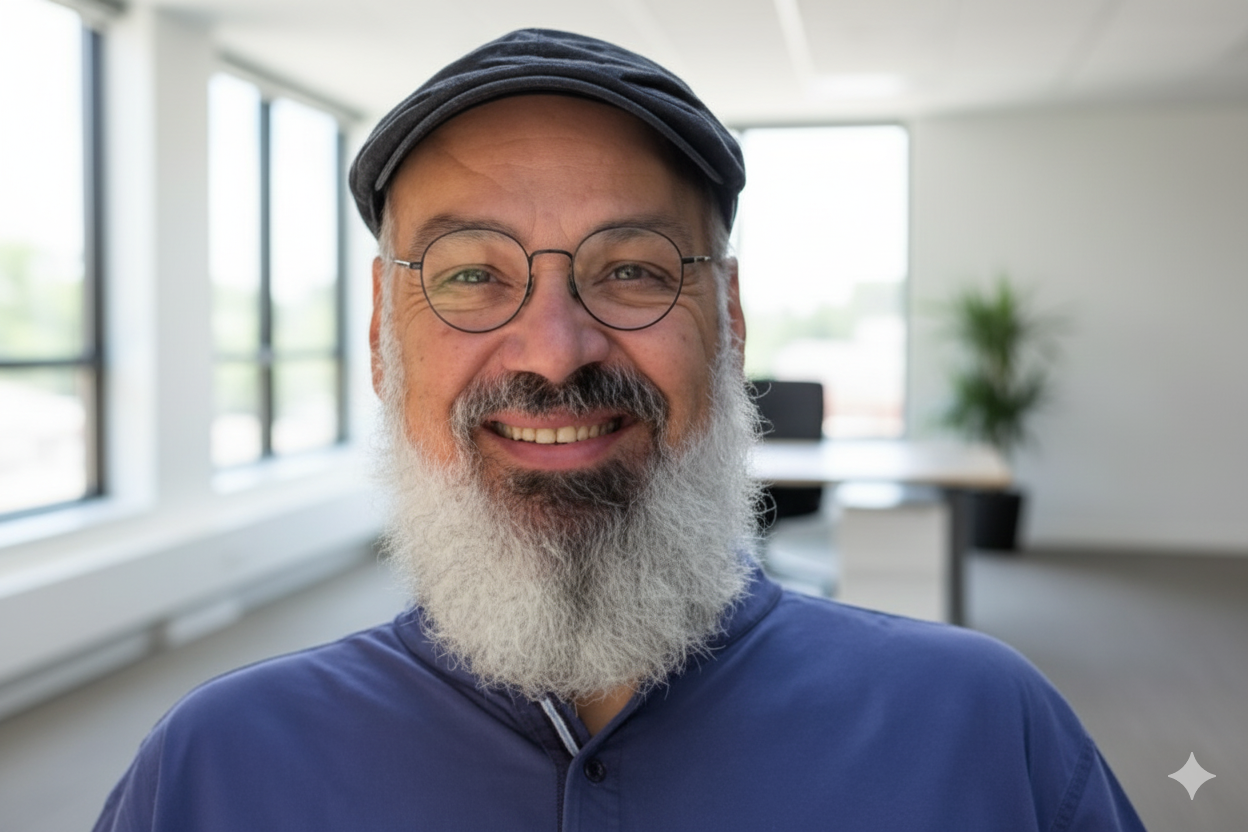
Dr. Brian Plancher is an Assistant Professor of Computer Science at Dartmouth College where he leads the Accessible and Accelerated Robotics Lab (A²R Lab). He was previously an Assistant Professor of Computer Science at Barnard College where he also held affiliate positions in the Department of Computer Science and Electrical Engineering at Columbia University. His research is focused on optimizing robotic systems at all scales by developing, optimizing, implementing, and evaluating next-generation algorithms and edge computational systems, through algorithm-hardware-software co-design. His work has won the Best Paper in Automation at ICRA 2024, as well as receiving numerous best poster awards, and multiple honors as finalist or honorable mention. He also wants to promote a responsible, sustainable, and accessible future for robotics and edge computing, including the development of new interdisciplinary, project-based, open-access courses, and serves as co-chair for the Tiny Machine Learning Open Education Initiative (TinyMLedu) and the IEEE-RAS TC on Model Based Optimization for Robotics (TCOptRob).

Brian Plancher

Assistant Professor of Computer Science

USA

Marcelo José Rovai

Marcelo José Rovai

Professor at IESTI - Institute of Systems Engineering and Information Technology

Brazil
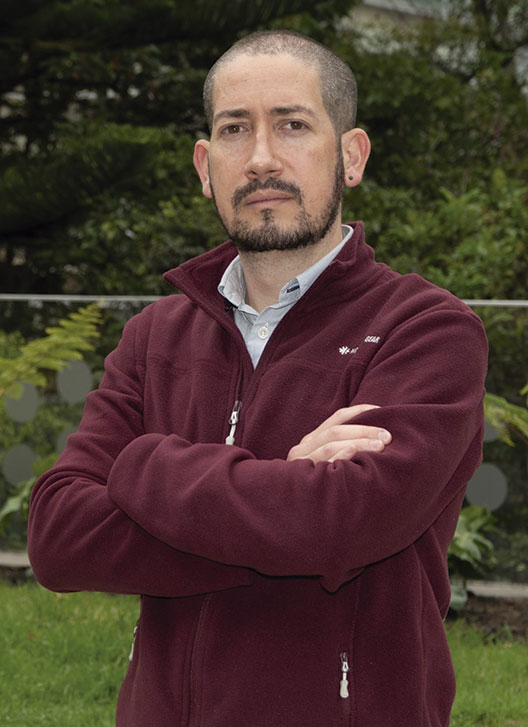
Marcelo Rovai is a Brazilian engineer and educator based in Chile, holding the title of Professor Honoris Causa from the Federal University of Itajubá (UNIFEI), where he also volunteers as faculty. He holds an Engineering degree from UNIFEI, a specialization from POLI/USP, an MBA from IBMEC (INSPER), and a Master's in Data Science from Universidad del Desarrollo (UDD), Chile. With executive experience at companies including AVIBRAS Airspace, AT&T, NCR, and IGT — where he served as Vice President for Latin America — he bridges industry practice and academic teaching. He serves as Co-Chair of the TinyML4D Academic Network and the EdgeAI Foundation's Academia-Industry Partnership, working to bring applied AI and machine learning systems education to students in developing regions. His open-source tutorials and projects, freely available on GitHub and Hackster.io, have reached learners across dozens of countries. He believes rigorous, practical AI engineering education should not depend on geography or resources.

Marcelo José Rovai

Professor at IESTI - Institute of Systems Engineering and Information Technology

Brazil

Diego Méndez Chaves

Diego Méndez Chaves

Full Professor - Electronics Engineering Department. Director - M.Sc in Electronics Engineering, M.Sc in Internet of Things.

Columbia
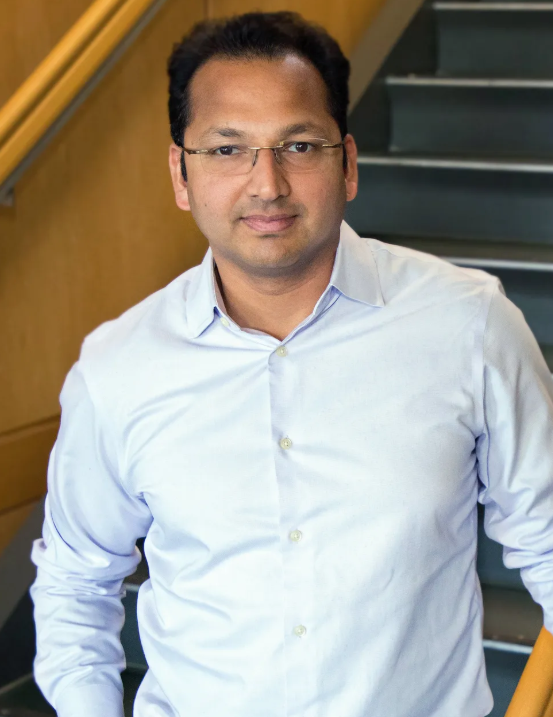
Diego Méndez Chaves is a Full Professor in the Department of Electronics Engineering at the Pontificia Universidad Javeriana, Bogotá, Colombia. He received his Ph.D (2012) and his M.Sc. (2011) in Computer Science from the University of South Florida, Tampa FL, USA, his M.E. (2008) from the Universidad de Los Andes, Bogotá, Colombia, and his B.E (2005) in Electronics Engineering from the Universidad Nacional, Bogotá, Colombia. Diego’s research interests include Internet of Things (IoT), embedded systems, wireless sensor networks, participatory sensing, digital systems design, operating systems, high-level systems design and TinyML. He is currently a Research Associate at the T/ICT4D Lab of the International Centre for Theoretical Physics (ICTP) in Trieste, Italy.

Diego Méndez Chaves

Full Professor - Electronics Engineering Department. Director - M.Sc in Electronics Engineering, M.Sc in Internet of Things.

Columbia

Vijay Janapa Reddi

Vijay Janapa Reddi

Professor of Electrical Engineering & Computer Science

Cambridge, MA

Dr. Vijay Janapa Reddi is a Gordon McKay Professor of Electrical Engineering at Harvard University, where his research spans computer architecture, machine learning systems, and autonomous agents. His work focuses on building efficient, intelligent systems that operate reliably across cloud, mobile, and edge platforms. He serves as Vice President and co-founder of MLCommons, where he helped lead the development of MLPerf, the industry-standard benchmark suite for evaluating machine learning systems at scale. He also serves on the board of the EDGE AI Foundation, advancing academic–industry collaboration in edge AI. A recognized leader in computer architecture and ML systems, Dr. Janapa Reddi has received numerous honors, including the IEEE TCCA Young Computer Architect Award and induction into both the MICRO and HPCA Halls of Fame. He is a leading advocate for establishing AI Engineering as a first-class discipline and aims to train one million AI engineers by 2030.

Vijay Janapa Reddi

Professor of Electrical Engineering & Computer Science

Cambridge, MA

Kari Janapareddi

Kari Janapareddi

Director of Partnerships and Strategic Operations

Cambridge, MA

Kari Janapareddi is a growth and operations leader dedicated to making high-level technical education accessible to a global audience. As the Director of Partnerships & Strategic Operations at MLSysBook.ai, she oversees the initiative’s financial sustainability, ecosystem development, and the ambitious goal of reaching one million AI learners by 2030. With over 15 years of experience scaling mission-driven brands, Kari specializes in turning "big ideas" into operational realities. Before pivoting into the AI engineering space, she served as the Director of Sales at GoodSAM Foods, where she was instrumental in expanding regenerative and sustainable supply chains into major retail channels. Her career is rooted in a unique blend of science and education, holding a BS in Biology from Bates College and a Masters in Education from Lesley University, as well as previous experience as a middle school math and science teacher. At MLSysBook.ai, Kari bridges the gap between complex open-source engineering projects and the strategic partnerships needed to foster a diverse, worldwide community of "builders."

Kari Janapareddi

Director of Partnerships and Strategic Operations

Cambridge, MA

Jeremy Ellis

Jeremy Ellis

Robotics and Technology Educator

Canada
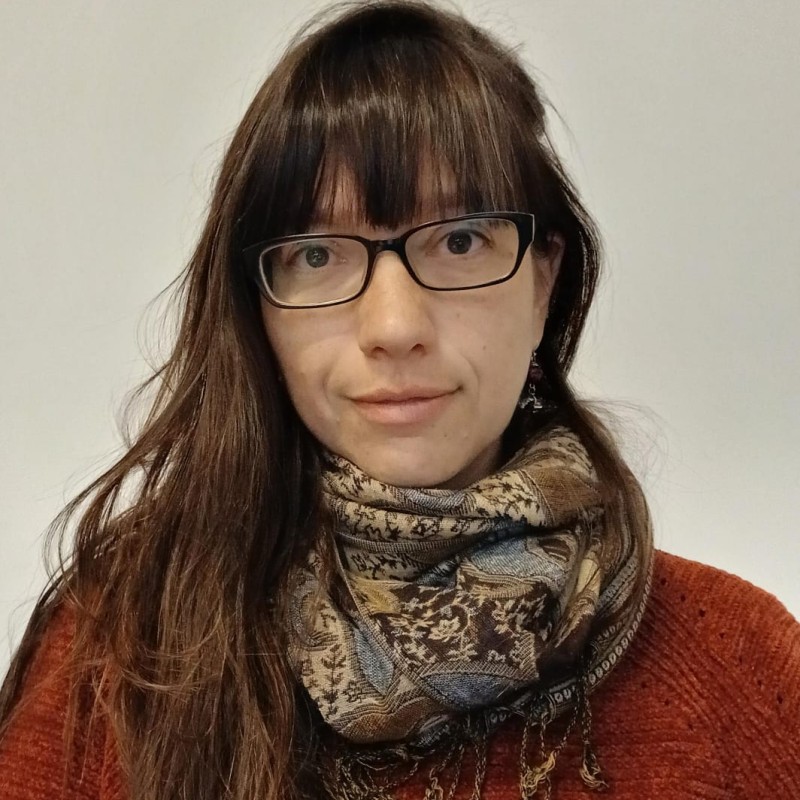
With 30+ years of coding experience and a decade teaching high school robotics, IoT, and ML, Jeremy Ellis specializes in a "hands-on first" approach to technology. Holding degrees in Chemistry ('86), Education ('88), and a diploma in Counseling, they provide a unique interdisciplinary perspective on technical education. A neural network hobbyist since the 1990s, Jeremy Ellis focuses on making complex systems intuitive, encouraging students to engage with tangible robotics before diving into formal engineering. Jeremy Ellis aims to bridge the gap between high-level engineering and introductory education. They believe lowering the barrier to entry for applied AI is essential for fostering innovators across all industries. He contribute proven pedagogical strategies for simplified, hands-on learning. By focusing on "doing" before "engineering," He helps students from all backgrounds gain the confidence to build and deploy intelligent systems globally. Jeremy Ellis is motivated by the fact that robotics businesses require a 1:9 ratio of engineers to support staff. They believe early robotics literacy provides a vital foundation for every career path, enabling future professionals to leverage AI and robotics wherever it is financially and operationally sensible.

Jeremy Ellis

Robotics and Technology Educator

Canada

Laila Daniela Kazimierski

Laila Daniela Kazimierski

Ph.D. in Physics. Researcher at CONICET (Argentina)

Argentina
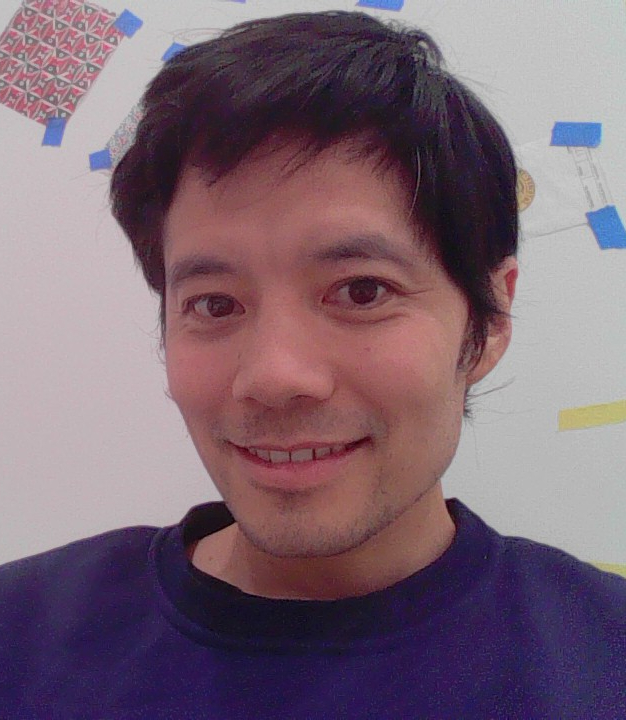
Laila Daniela Kazimierski holds a Ph.D. in Physics and is a researcher at CONICET, based at the Centro Atómico Bariloche, Rio Negro, Argentina. She is actively involved in teaching and mentoring students in TinyML projects, fostering hands-on development and applied research. Her work focuses on TinyML for real-world, low-power applications, with strong emphasis on health-oriented systems and environmental sensing, and one of her TinyML projects received an award in a Hackster competition. She continuously contributes to the organization and growth of the TinyML4D network and its associated workshops, supporting the expansion of applied edge AI in resource-constrained settings.

Laila Daniela Kazimierski

Ph.D. in Physics. Researcher at CONICET (Argentina)

Argentina

Kai Kleinbard

Kai Kleinbard

Full-Stack AI Engineer & Designer

Brooklyn, NY

Currently, Kai is a key contributor to the MLSysBook.ai ecosystem, where he focuses on the principles of machine learning systems engineering. His work—ranging from developing SocratiQ (a generative AI-powered Socratic learning companion) to mapping ML infrastructure onto the TensorFlow ecosystem—centers on making the "black box" of AI engineering transparent and accessible. As the founder of PlayLab and bodyLITERATE, Kai brings a "builder’s first" mentality to every project. He excels at engineering specialized agents for complex domains, including legal systems, academic synthesis, and therapeutic education. His technical versatility is backed by an Award for Excellence in Teaching from the University of Pennsylvania, reflecting his unique ability to not only build advanced technology but to communicate its value and function to others.

Kai Kleinbard

Full-Stack AI Engineer & Designer

Brooklyn, NY